Every school needs a safety plan. But having one should never be the point at which the questions stop.
Plans are built around assumptions: which risks are most likely, who will respond, how people will communicate, what resources will be available, and what each organization will do. The problem is that risks change. Staff change. Buildings change. Community conditions change. Even a well-designed plan can gradually become disconnected from the environment it was created to protect.
That is why effective preparedness requires something more than trust.
It requires constant questioning, testing, and validation.
Plan for the Real Risk
Safety planning should begin with the risks that actually exist in the community.
A football game, for example, may appear to be a routine school activity. But circumstances surrounding the event can significantly change its risk profile. If a community is experiencing elevated gang activity or other known threats, those conditions should influence decisions about staffing, scheduling, access, lighting, and whether the event should occur as originally planned.
That is the purpose of an all-hazards approach. Schools should not prepare exclusively for the emergencies that traditionally appear in a safety binder. They need to understand the conditions around them and continually ask whether those conditions create new vulnerabilities.
Sometimes the appropriate response may be additional security. In other situations, it might mean moving an event, changing its time, modifying access, or reconsidering whether it should proceed at all.
The plan has to reflect the environment—not the environment that existed when the plan was written, but the one that exists today.
Question the Plan
When people are anxious about safety, reassurance is understandable.
“We have a comprehensive safety plan.”
“We have invested in physical security.”
“We have trained our staff.”
Those statements may all be true. But none should end the conversation.
A healthy safety culture does not treat questions as challenges to its credibility. Questions are part of the process that makes the plan stronger.
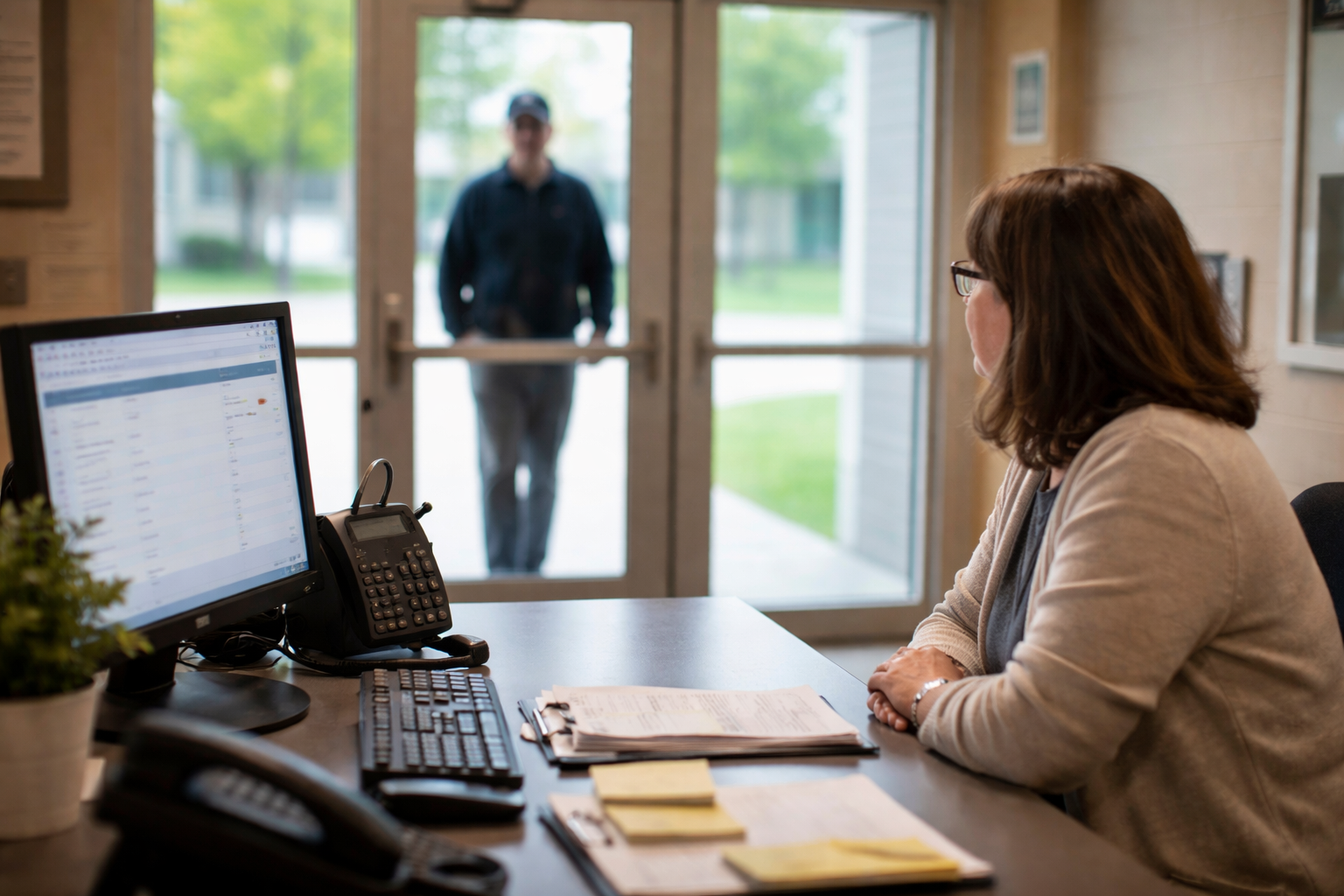
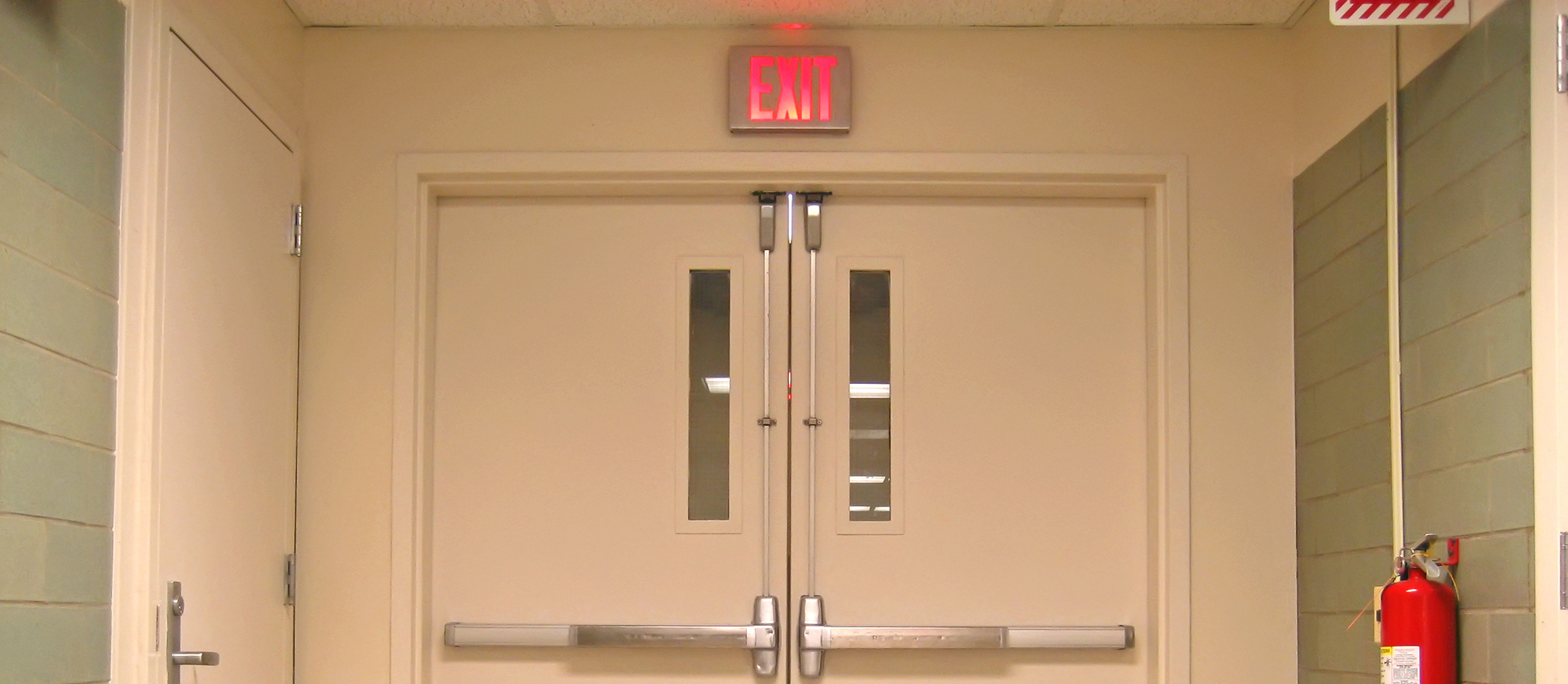
Is the door actually locked?
Is the camera working?
Does access control operate the way we think it does?
Does everyone still understand their role?
Has the building changed since the plan was written?
Has the threat environment changed?
A plan that has not been questioned for years may inspire confidence, but confidence is not validation.
Even after leaders are satisfied with an answer, they should eventually come back and ask the question again. The goal is not permanent distrust of the people responsible for safety. It is healthy skepticism toward assumptions that may no longer be accurate.
Make Plans Understandable
Emergency plans cannot be useful if the people expected to participate in them do not understand how they work.
There may be legitimate reasons to protect specific information, particularly personal contact details or other sensitive data. But the overall emergency process should not become mysterious simply because it relates to safety.
Staff need to understand their responsibilities. Parents should be able to understand, at an appropriate level, how the school prepares for emergencies. First responders need the information required to coordinate with the school.
And because students themselves participate in drills, many fundamental protective actions are already necessarily known throughout the school community.
The answer to questions about preparedness therefore cannot simply be, “It is in the binder.”
People should understand what the plan is designed to accomplish, how it has been tested, and how the organizations involved will work together.
Validate With Responders
A school can have an excellent emergency operations plan. A police department can have an excellent response plan. Fire and EMS can each have excellent procedures.
But four excellent plans do not automatically create one coordinated response.
That is why validation with community partners matters.
Schools and first responders should examine how their plans intersect before an emergency forces them together. They need to understand how information will move, who has access to maps and other critical resources, how responsibilities change as an incident develops, and where assumptions between organizations may conflict.
The first time those plans meet should not be during the crisis itself.
Walking through scenarios together allows each organization to identify gaps while there is still time to correct them. It transforms separate plans into a coordinated system.
Understand Incident Command
That coordination becomes especially important during a significant emergency.
The Incident Command System provides a management structure for incidents ranging from relatively small events to major disasters. Responsibilities are organized into defined functions, such as operations, planning and intelligence, logistics, and finance and administration, so people know what they are responsible for and who they report to.
For a smaller incident, one organization may retain primary responsibility through incident command while requesting assistance from others.
A larger school emergency is different because multiple organizations may have their own legal and operational responsibilities.
The school remains responsible for its students, staff, and broader school community. Law enforcement may be responsible for addressing a criminal threat. Fire and EMS may be responsible for treating and transporting casualties.
No single organization can simply absorb every responsibility held by the others.
That is where unified command becomes essential.
Practice Unified Command
Unified command uses the same underlying incident-management structure, but decision-making brings together the agencies with a meaningful responsibility for the incident.
That does not mean everyone independently issues instructions.
The purpose is precisely the opposite: the relevant organizations share information, work through competing needs, reach coordinated decisions, and produce a unified direction for the response.
Leadership may also shift as the incident develops. During an active criminal threat, law enforcement may carry the greatest immediate responsibility. As casualties are treated, fire and EMS take on critical roles. When the immediate threat is resolved and reunification begins, responsibility increasingly returns to the school.
The structure changes because the problem changes.
Unified command works best when those relationships have already been established and practiced. If agencies meet for the first time during an emergency and suddenly attempt to coordinate authority, responsibilities, and priorities, conflict becomes much more likely.
Coordination has to begin before the crisis.
Connect Before the Emergency
School safety and community safety cannot be separated.
An incident in the surrounding community can affect a school. An emergency at a school immediately brings community agencies into the response. Either way, the boundaries between organizations disappear quickly when something serious happens.
That is why preparedness should begin with relationships.
Schools should know their law enforcement partners, fire departments, EMS providers, emergency managers, and other organizations that may carry responsibility during an incident. Those partners should understand the school's plans, and the school should understand theirs.
Then they need to sit together, walk through those plans, identify assumptions, clarify responsibilities, and test whether the pieces actually fit.
A plan should never become something an organization writes, files away, and trusts indefinitely.
It should be challenged when circumstances change. It should be reviewed when people change. It should be practiced with the organizations expected to carry it out. And it should continually improve as everyone learns more.
Because during an emergency, the question will not be whether everyone had a plan.
It will be whether those plans actually worked together.




No Comments Yet
Let us know what you think