A man approaches a school dressed as law enforcement. He looks credible, carries authority, and expects to be let in. But something feels off. A staff member pauses, asks for identification, and decides to verify before granting access.
That moment likely prevented a serious incident.
This is what real school safety looks like. And yet, these are the stories we rarely talk about.
The Problem with How We Measure Safety
School safety is often measured by what goes wrong. We track incidents, analyze failures, and respond to crises. But we rarely study the moments where something was prevented, where a simple decision stopped a situation from escalating.
Prevention is quiet. It happens when someone asks a question, notices something unusual, or takes an extra step instead of assuming everything is fine. These actions don’t make headlines, but they are often what keeps schools safe.
The Moment That Matters
In several recent incidents, individuals attempted to enter schools while impersonating authority. Each time, the outcome came down to one thing: someone recognized that something wasn’t right and chose to act.
This interrupts what is known as the “pathway to violence.” Before an incident occurs, individuals often test the system, seeing how far they can get and whether anyone will stop them. If no one intervenes, that testing can quickly turn into access.
And access changes everything.
The Most Underrated Layer of Security
While technology plays an important role in school safety, the first line of defense is often people. Front office staff and school personnel have a strong sense of who belongs and what normal looks like.
When something breaks that pattern, they notice. And when they act on it, they can stop a situation before it develops further.
In many cases, safety comes down to a simple interaction: “Can I help you?” or “Have you checked in?”
Challenge Authority—Every Time
No one should be given automatic access, even if they appear to be in a position of authority. Verification is a critical part of maintaining a secure environment.
If someone claims to be law enforcement or security, it is appropriate to ask for identification and confirm credentials. Legitimate officials expect this. Strong security depends on verification, not assumptions.
Are We Solving the Right Problem?
Another challenge in school safety is how incidents are defined. Many events labeled as “school shootings” occur off campus or are not targeting the school itself.
When all incidents are grouped together, it creates confusion and makes it harder to develop effective solutions. A targeted attack on a school requires a different approach than community-based violence that happens nearby.
Clarity matters if we want to solve the problem effectively.
School Safety Is Community Safety
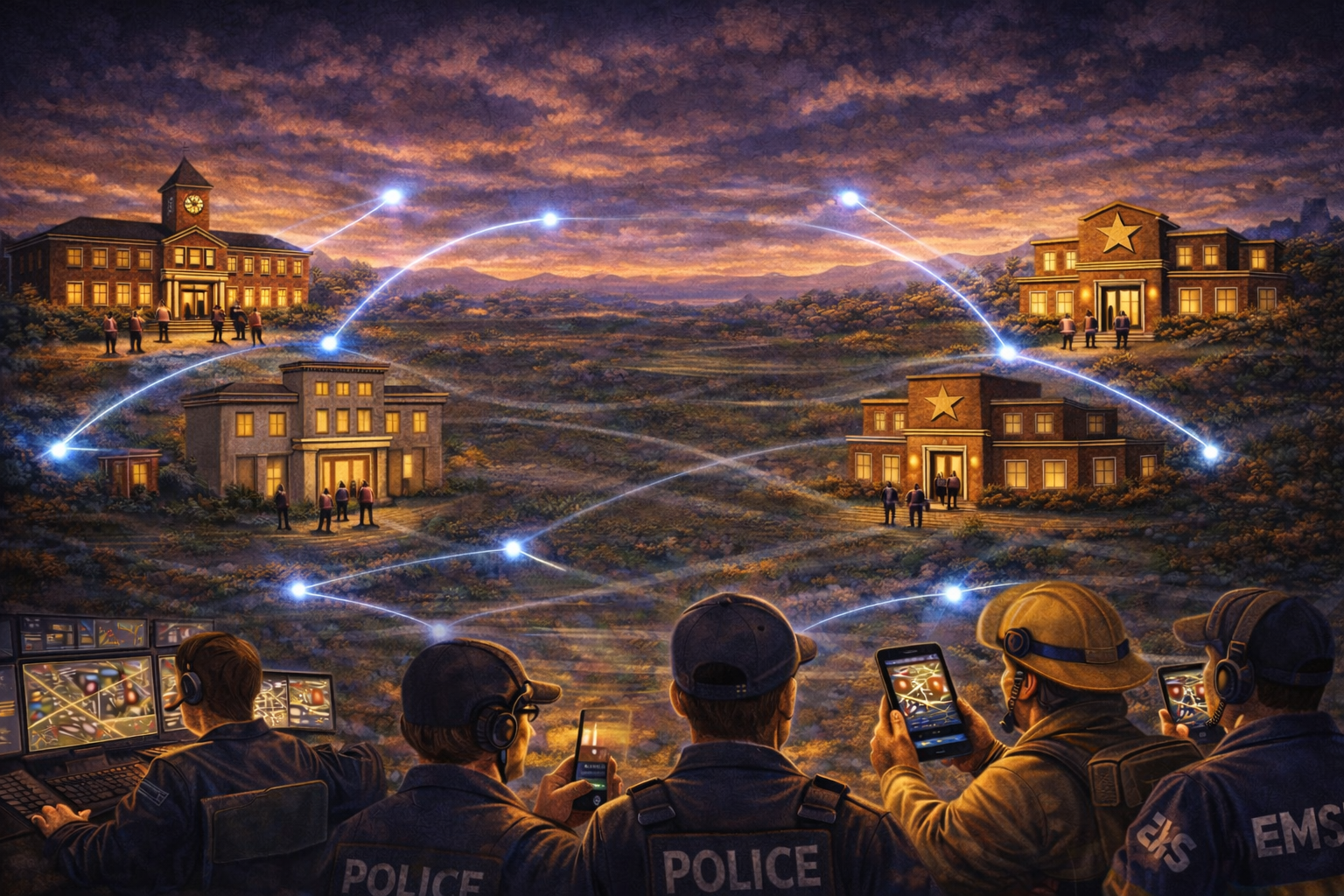
School safety cannot be separated from community safety. The same people, environments, and risks exist across both.
For too long, these have been treated as separate issues. Schools focus on internal safety, while communities and law enforcement address broader concerns. But safety doesn’t operate in silos, and neither should the solutions.
The Takeaway
The future of school safety isn’t just about better technology or more policies. It’s about awareness and action.
The safest schools are not just the ones that respond well to emergencies. They are the ones where potential incidents are recognized and stopped before they happen.
And more often than not, it starts with something simple:
Someone noticed.
Someone asked.
And someone acted.



No Comments Yet
Let us know what you think