School safety is often treated as the responsibility of the school district. Administrators develop emergency plans, staff receive training, and schools invest in security measures designed to protect students and employees.
But what happens when a concern extends beyond the school building? What if a student is experiencing problems at home, a concerning behavior is reported by someone in the community, or an emergency requires coordination between multiple agencies?
These situations highlight an important reality: schools cannot approach safety in isolation.
Creating safer schools requires strong relationships and communication between educators, parents, law enforcement, fire departments, emergency medical services, hospitals, and other community partners. When these groups work together before an emergency occurs, they are better positioned to recognize concerns, coordinate their response, and make informed decisions when time matters.
Concerning Behavior Shouldn't Be Overlooked
Preventing an emergency often starts with recognizing that something may be wrong before it becomes a crisis.
A concerning comment, a report of bullying, unusual behavior, or information shared by another student may not seem significant on its own. However, these details can provide important context when they are documented, communicated, and properly investigated.
The challenge is making sure information reaches the people who can act on it.
A report that stays in someone's inbox or is passed along informally may never receive the attention it needs. Schools need clear processes for receiving concerns, evaluating them, documenting findings, and determining when additional intervention is necessary.
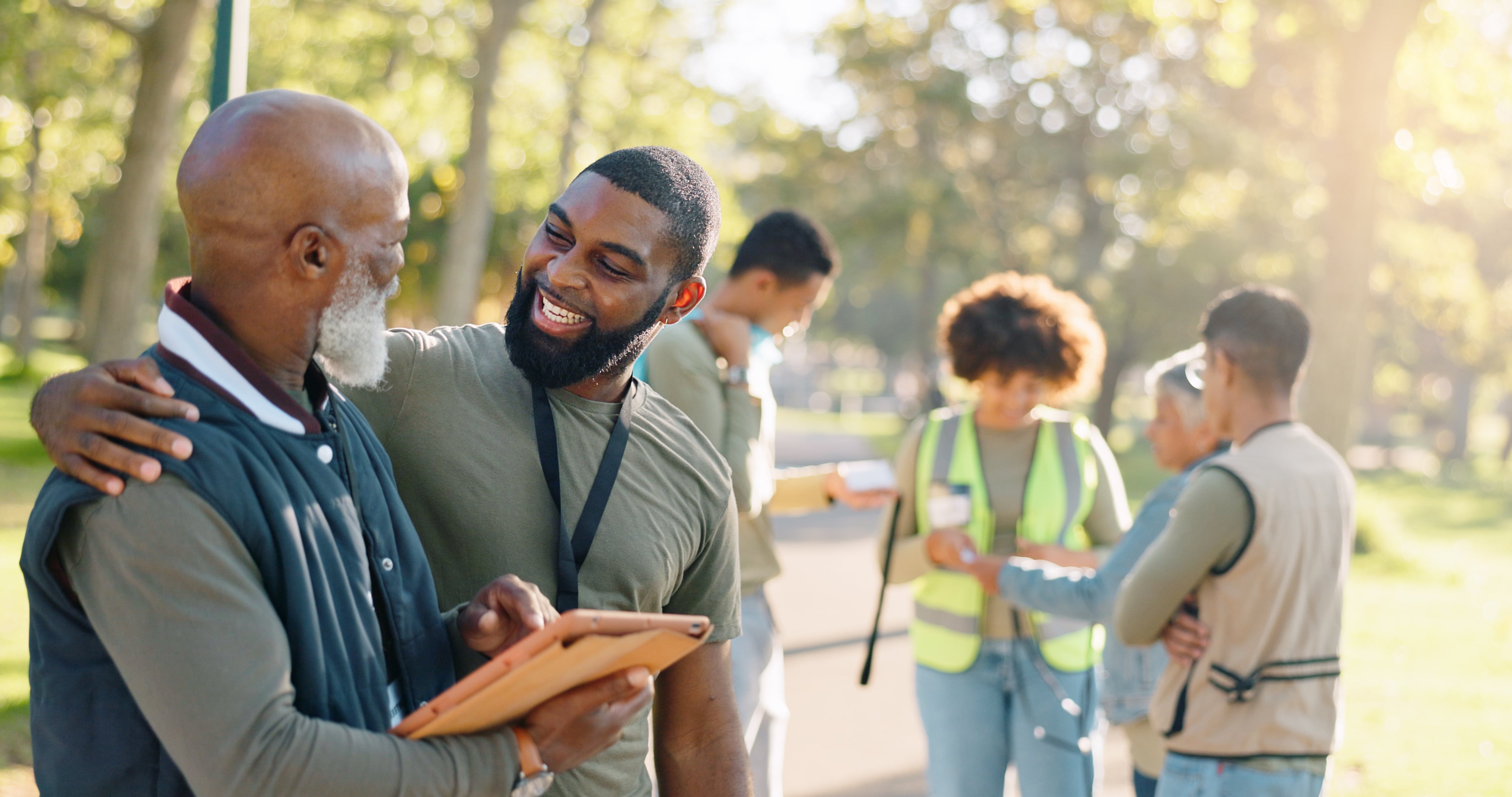
This also means recognizing the value of people outside the school. Parents, community members, youth organizations, and other trusted individuals may have information that school administrators do not. Building relationships with these groups can make people more comfortable speaking up when they notice something concerning.
The goal isn't to treat every report as a confirmed threat. It's to make sure legitimate concerns are not dismissed before they can be evaluated.
Communication Builds Trust Between Schools and Families
Communication becomes especially important when an incident involves students.
Consider a situation where a student is repeatedly bullied or involved in conflicts at school. If those incidents are reported and investigated but parents are never informed, an opportunity to address the problem may be missed.
Parents may be able to provide additional context, reinforce appropriate behavior at home, or work with school administrators to find a solution. Without communication, schools and families may be trying to address the same problem without knowing what the other is doing.
The same principle applies during an active investigation or emergency. Families may not always receive every detail immediately, and schools may not have all the answers. However, communicating what is known, what is being done, and what families should do next can help maintain trust.
During an emergency, people need to understand two basic things:
- What is happening?
- What do I need to do?
Even when information is limited, timely and clear communication can help prevent confusion and unnecessary escalation.
Emergency Response Requires More Than One Organization
When an emergency occurs, schools may depend on several outside organizations to help manage the situation. Law enforcement, fire departments, emergency medical services, hospitals, and emergency management personnel may all have responsibilities.
If those organizations only begin coordinating once an incident happens, valuable time can be lost determining roles, responsibilities, and next steps.
That is why collaboration needs to happen before an emergency.
Schools and community partners should work together to identify potential risks, understand available resources, establish communication procedures, and determine how they will coordinate during different types of incidents.
Hospitals, for example, can provide valuable input into emergency medical planning. Understanding which facilities can handle certain injuries, how patients will be transported, and what resources are available can help organizations make better decisions before an incident occurs.
The same approach applies to law enforcement and fire departments. Familiarity with school buildings, access points, emergency procedures, and one another's roles can make coordination more effective when a response is needed.
These relationships shouldn't be built for the first time during a crisis.
Test the Plan Before You Need It
Having an emergency plan is important, but having a plan does not automatically mean it will work as intended.
Plans need to be tested, evaluated, and updated as circumstances change. Tabletop exercises, drills, and full-scale exercises give schools and their partners an opportunity to work through realistic scenarios and identify weaknesses.
A practical process can include:
- Identify potential hazards. Understand the risks facing the school and surrounding community.
- Bring the right people together. Include school leadership, first responders, emergency management, medical partners, and other relevant organizations.
- Establish roles and procedures. Make sure everyone understands their responsibilities and how information will be shared.
- Test the plan. Use exercises and drills to see how procedures work in practice.
- Evaluate and improve. Identify gaps, incorporate feedback, and update the plan before testing it again.
This should be an ongoing process rather than a one-time exercise. As personnel, facilities, and community needs change, emergency plans must change with them.
Moving Beyond a School-Only Approach to Safety
Security technology, emergency notification systems, and panic buttons all have a role in school safety. But no single tool can replace prevention, communication, preparation, and coordination.
An alerting system can help communicate that an emergency is happening. However, the relationships and procedures established beforehand determine how effectively people can respond.
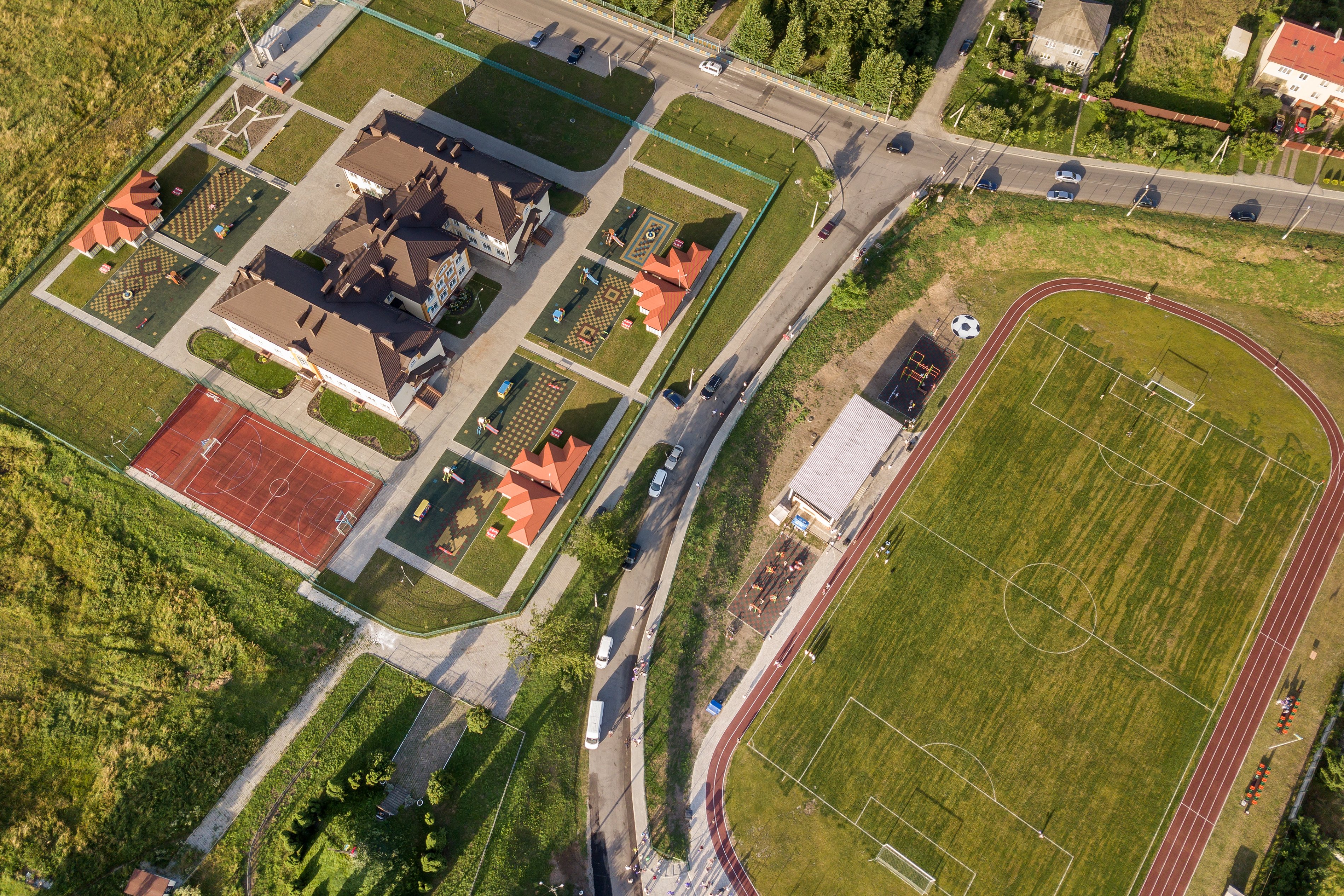
A stronger approach recognizes that school safety extends beyond the school building. It involves the families who trust schools with their children, the first responders who may be called to campus, the medical professionals who may treat those affected, and the community organizations that support students every day.
Building those connections takes time and consistent effort. But waiting until an emergency occurs to establish them can create delays and confusion when every moment matters.
School safety is a shared responsibility. The stronger the relationships between schools and their communities, the better prepared everyone can be to recognize concerns, prevent problems where possible, and respond together when an emergency occurs.




No Comments Yet
Let us know what you think