When school leaders think about safety, it's natural to focus on what happens during the school day. We think about classroom procedures, visitor management, emergency drills, reunification plans, and the countless responsibilities that come with protecting students while they are on campus.
But here's the reality: school safety doesn't begin when the first bell rings, and it doesn't end when the last bus leaves.
Students are part of a much larger community. They attend dance recitals, youth sports, library programs, after-school clubs, church events, and community festivals. Schools host athletic tournaments, performances, and outside organizations that use their facilities long after classes are over. Every one of those activities creates another opportunity to protect students—or another opportunity to overlook important safety considerations.
That's why school safety and community safety cannot be treated as separate conversations.
The Most Dangerous Assumption
One of the biggest obstacles to improving safety isn't a lack of technology or funding. It's a mindset.
"It won't happen here."
Every community has heard those words. Every school district has probably thought them at one time or another. The problem isn't optimism. The problem is allowing optimism to replace preparation.
Emergencies are, by definition, uncommon. Most schools will never experience a major act of violence. Most community events will end without incident. That is good news.
However, rarity should never become an excuse for complacency.
The schools and organizations that respond most effectively to emergencies are usually the ones that accepted a simple truth long before anything happened: while an incident is unlikely, it is still possible.
That single shift in thinking changes how people prepare.
Planning Isn't Enough
Every state requires schools to maintain emergency operations plans. Most schools comply with those requirements, but having a plan isn't the same as being prepared.
Too often, emergency plans become documents that are reviewed once a year, signed, filed away, and forgotten until the next compliance deadline. During an actual emergency, no one has the luxury of reading through a binder to figure out what to do next.
Training is what transforms a written plan into an operational plan.
Staff members should understand their roles so well that their first actions become instinctive. Checklists still have value, but they should serve as reminders—not instruction manuals for people encountering an emergency for the first time.
Prepared organizations don't rely on paperwork during a crisis. They rely on practice.
Community Safety Is School Safety
Recent events continue to remind us that people intent on causing harm don't always choose schools as their target. They look for places where families gather, where large groups of people are present, and where security may be less visible.
Libraries, recreation centers, sporting events, community performances, and public meetings all fit that description.
For educators, that matters because today's community event often becomes tomorrow's school issue.
If a traumatic event affects students over the weekend, schools become the place where that trauma is processed. Teachers support grieving classmates. Counselors respond to emotional needs. Administrators communicate with families and the community. Even though the incident may not have occurred on school property, its impact is felt throughout the district.
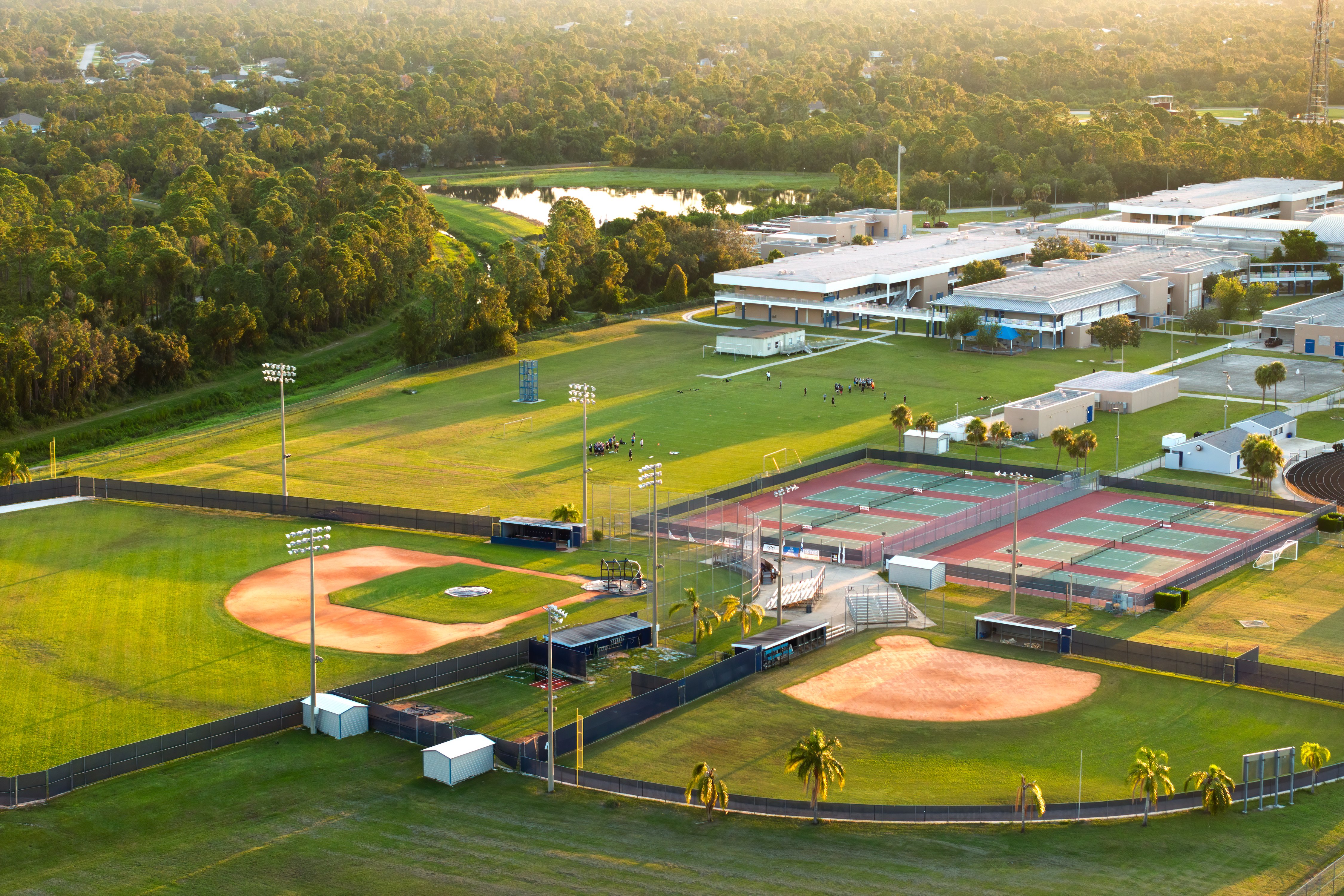
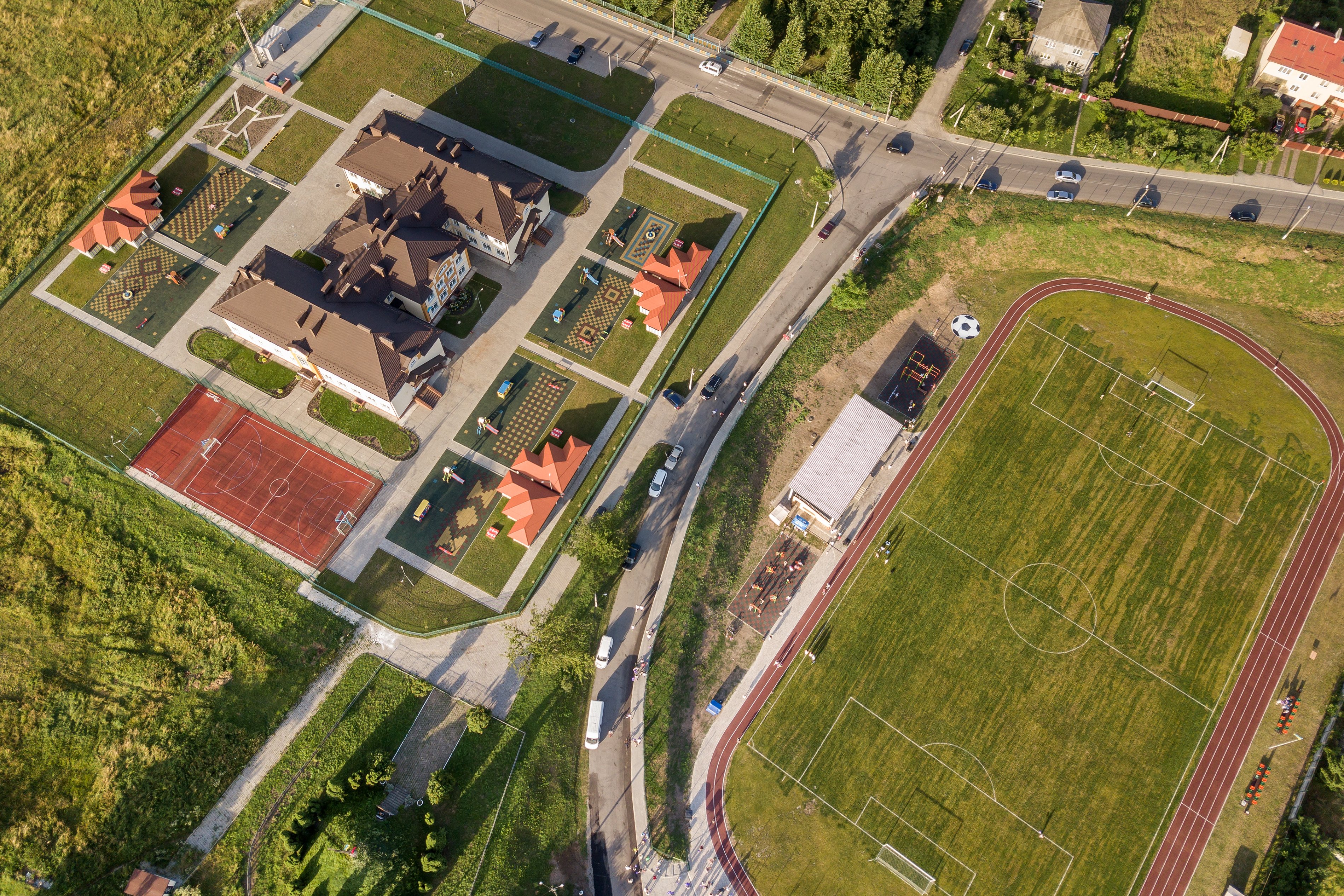
The same connection exists in reverse. Many school buildings serve as community facilities after hours. Auditoriums host dance recitals. Gyms host youth sports leagues. Cafeterias become meeting spaces. School campuses are often some of the busiest public facilities in a community.
That means schools should think beyond instructional hours when evaluating security.
Every Event Deserves a Safety Plan
Whenever a school facility is used by an outside organization, safety should be part of the conversation from the beginning.
Who is responsible for supervising entrances?
How will access to backstage areas, locker rooms, or dressing rooms be controlled?
What procedures exist if someone becomes separated from a child?
How will emergency responders be contacted if something happens?
These questions aren't meant to make community events more complicated. They're meant to ensure that everyone understands their responsibilities before an emergency forces them to make decisions under pressure.
Schools and community organizations share the same goal: protecting children. That responsibility should be reflected in every facility use agreement, every event plan, and every partnership.
Preparation Builds Confidence
Some people worry that talking about safety creates fear. In reality, preparation does the opposite.
When staff members know their roles, they respond with confidence instead of hesitation.
When community partners understand security expectations, they can focus on providing great experiences for families.
When parents see thoughtful planning, they gain confidence that their children are in capable hands.
Good preparedness isn't about expecting something bad to happen. It's about making sure people are ready if it does.
A Shared Responsibility
Protecting students has never been the responsibility of schools alone. Families, community organizations, law enforcement, local governments, and school leaders all play a role.
The strongest safety programs recognize that partnership.
Instead of asking whether an incident is likely to happen, schools should ask a different question: If it did happen, would we be ready?
That question leads to better conversations, stronger partnerships, and more meaningful preparation.
School safety isn't confined to classrooms or school hours. It extends into every place students learn, play, perform, and gather. When schools and communities begin planning together instead of separately, everyone benefits—and students are safer because of it.
Protecting the next generation requires more than compliance. It requires collaboration, continuous training, and the willingness to challenge the assumption that "it won't happen here." The schools that embrace that mindset won't just be better prepared for emergencies—they'll build stronger, safer communities every day.



No Comments Yet
Let us know what you think